Mental Wellness for Seniors: Daily Activities That Truly Make a Difference
Aging is a natural part of life but aging well is intentional.
As we grow older, mental and emotional well-being become just as important as physical health. For seniors, maintaining mental wellness supports independence, confidence, and quality of life. Yet mental health in aging is often misunderstood or overlooked, even though small daily habits can make a powerful difference.
At its core, senior mental wellness is about staying connected, engaged, and emotionally balanced. It’s not about avoiding challenges, it’s about creating routines and environments that support resilience, purpose, and joy.
In this guide,
we’ll explore practical daily activities that truly support mental and emotional health as we age. Whether you’re a senior yourself or a loved one supporting healthy aging, these ideas focus on what really works, simple, meaningful activities that fit into everyday life.
Why Mental Wellness Matters More With Age
Mental wellness is deeply connected to how seniors experience daily life.
Strong emotional and cognitive health can:
- Improve memory and focus
- Reduce feelings of isolation
- Support better sleep
- Enhance mood and motivation
- Strengthen overall health outcomes
Healthy minds contribute to healthy aging. And while some cognitive changes are normal, many aspects of mental wellness are influenced by lifestyle, environment, and daily engagement.
Understanding Mental Wellness in Aging
Mental wellness in later years includes three key components:
- Cognitive health (thinking, memory, attention)
- Emotional health (mood, resilience, self-worth)
- Social well-being (connection, belonging)
Supporting all three creates balance and improves quality of life.
Cognitive Activities That Keep the Mind Engaged
Staying mentally active is one of the most effective ways to support brain health. Cognitive activities for seniors don’t need to be complex, they just need to be consistent and enjoyable.
Puzzles, Games, and Brain Challenges
Activities like:
- Crossword puzzles
- Sudoku
- Word searches
- Board games
- Card games
…help stimulate memory, reasoning, and problem-solving skills.
Tip: Rotate activities to keep the brain challenged and engaged.
Reading and Lifelong Learning
Reading keeps the mind active and curious.
Seniors can explore:
- Books and audiobooks
- Newspapers or magazines
- Educational videos or lectures
- Discussion groups
Learning something new no matter the subject, it supports mental flexibility and confidence.
Creative Expression for Cognitive Health
Creative outlets engage multiple areas of the brain.
Popular options include:
- Painting or drawing
- Knitting or crafting
- Writing or journaling
- Music and singing
Creative expression supports memory, focus, and emotional processing.
Physical Movement That Supports Mental Health
Physical activity isn’t just good for the body, it’s essential for the brain.
Gentle Daily Movement
Activities such as:
- Walking
- Stretching
- Chair exercises
- Light yoga or tai chi
…help increase circulation, reduce stress, and improve mood.
Tip: Consistency matters more than intensity.
Mind-Body Activities
Practices that connect movement and mindfulness like yoga or breathing exercises support both cognitive and emotional health aging.
These activities promote:
- Calmness
- Balance
- Body awareness
Social Connection as a Cornerstone of Mental Wellness
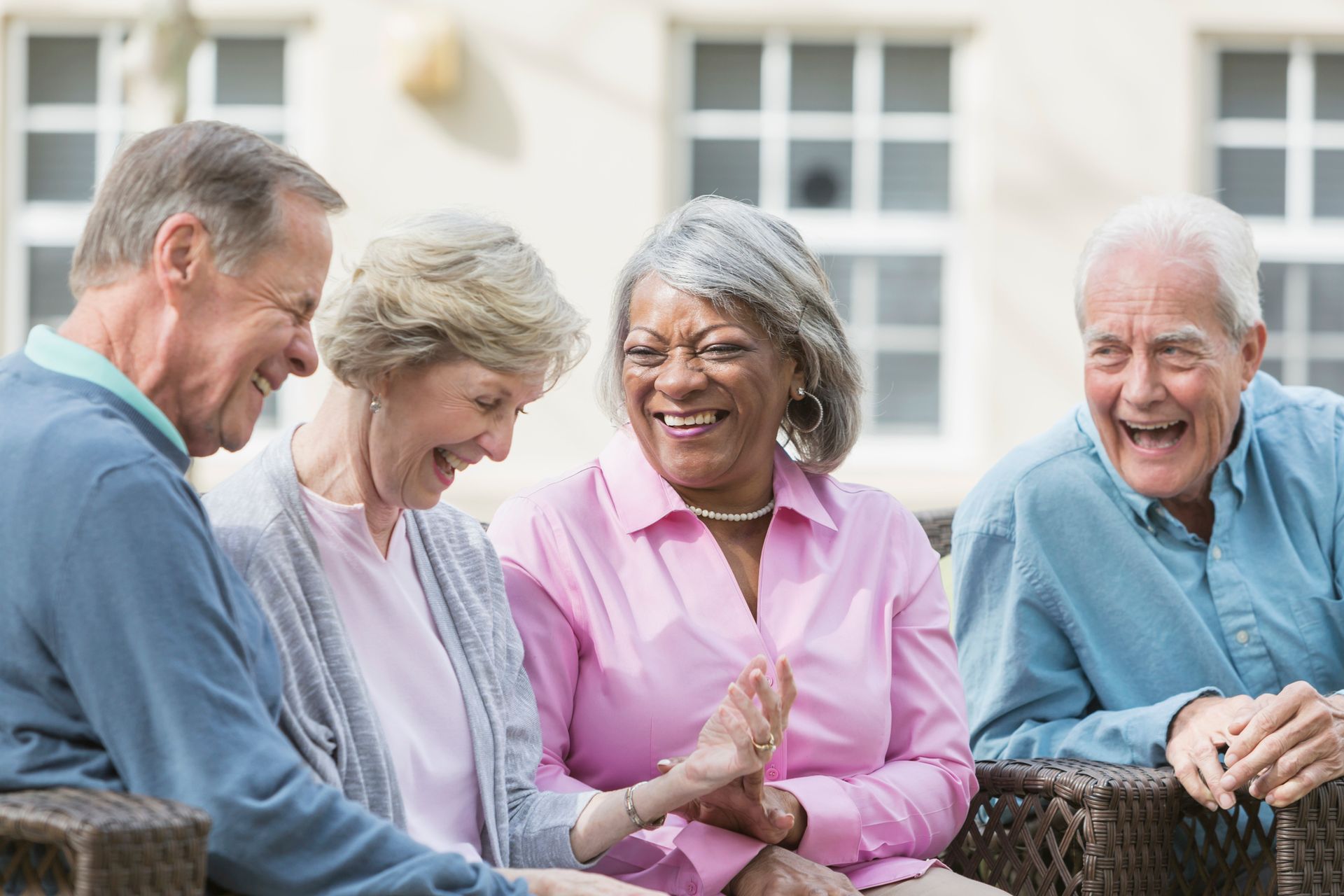
Human connection is essential at every stage of life. For seniors, social interaction plays a major role in mental well-being.
Daily Social Engagement
Simple social activities include:
- Group meals
- Conversation circles
- Games or hobby groups
- Community events
These interactions reduce feelings of loneliness and increase emotional fulfillment.
Meaningful Relationships
Quality matters more than quantity. Regular interaction with:
- Friends
- Family
- Care staff
- Community members
…builds trust, belonging, and emotional stability.
Emotional Wellness and Purposeful Living
Emotional health is a vital part of healthy aging. Seniors thrive when they feel valued, heard, and purposeful.
Routine and Structure
Daily routines provide:
- A sense of stability
- Predictability
- Reduced anxiety
Structured days help seniors feel more grounded and confident.
Purpose-Driven Activities
Purpose can come from:
- Volunteering
- Mentoring
- Helping others
- Participating in community projects
Purpose gives meaning to each day and supports positive emotional health aging.
Mindfulness and Relaxation Practices
Mindfulness practices help seniors manage stress and stay present.
Simple Mindfulness Techniques
- Deep breathing
- Guided meditation
- Gratitude reflection
- Quiet reflection time
Even a few minutes daily can reduce anxiety and improve emotional balance.
The Role of Nutrition and Hydration in Mental Wellness
Mental wellness is closely tied to physical health.
Balanced meals, hydration, and regular nutrition support:
- Energy levels
- Cognitive function
- Mood stability
Seniors benefit from consistent meal routines and mindful eating habits.
Sleep and Mental Health in Seniors
Quality sleep is essential for memory, mood, and overall wellness.
Supporting Healthy Sleep
- Maintain a consistent sleep schedule
- Limit daytime naps
- Create a calming bedtime routine
- Reduce evening screen time
Healthy sleep habits strengthen both cognitive and emotional well-being.
Creating Supportive Environments for Mental Wellness
Environment plays a powerful role in mental health.
Supportive senior living environments offer:
- Safe, engaging spaces
- Organized daily activities
- Opportunities for social interaction
- Access to wellness resources
A thoughtfully designed community supports independence and peace of mind.
How Families Can Support Senior Mental Wellness
Family involvement strengthens emotional health.
Ways families can help:
- Schedule regular visits or calls
- Encourage participation in activities
- Listen with empathy
- Celebrate milestones and memories
Consistent connection reassures seniors they are supported and valued.
Common Myths About Mental Health and Aging
“Cognitive decline is inevitable.”
Many aspects of mental wellness can be supported and strengthened with daily activities.
“Seniors don’t want to be social.”
Most seniors thrive with connection when given welcoming opportunities.
“Mental health concerns are just part of aging.”
Emotional health aging deserves the same attention as physical health.
Simple Daily Mental Wellness Checklist for Seniors
- Engage in one cognitive activity
- Move your body gently
- Connect with at least one person
- Practice a moment of mindfulness
- Maintain a healthy routine
Small daily actions lead to meaningful long-term benefits.
Small Daily Choices Create Lasting Wellness
Mental wellness doesn’t require drastic changes, just consistent care.
Through engaging cognitive activities, social connection, gentle movement, and emotional support, seniors can experience greater clarity, confidence, and joy. These daily practices truly make a difference in supporting senior mental wellness and emotional health aging.
At Belmont Oaks, fostering a supportive, engaging environment helps seniors live each day with purpose and peace of mind. Because healthy aging isn’t just about adding years to life, it’s about adding life to each year. 🌼