From Rehab to Routine: Supporting Seniors Through Recovery and Independence
Recovery doesn’t end when a hospital stay does.
For many older adults, the journey back to independence begins after discharge. when they’re navigating new physical challenges, adjusting to medication changes, and rebuilding strength step by step. Whether recovering from surgery, illness, or a fall, seniors need more than medical clearance. They need compassionate, consistent support that bridges the gap between rehabilitation and everyday life.
At Belmont Oaks, supporting seniors through recovery is about more than treatment; it’s about restoring confidence, rebuilding routines, and empowering residents to live as independently as possible.
In this guide, we’ll explore how senior rehab services, assisted living physical therapy, and comprehensive recovery support for seniors work together to create smoother transitions and stronger outcomes.
Understanding the Recovery Journey for Seniors
Recovery in later life looks different than it does at 25 or 45.
Why Senior Recovery Requires Specialised Care
Older adults may face:
- Reduced muscle mass and strength
- Slower healing times
- Balance concerns
- Chronic conditions
- Increased fall risk
This means recovery plans must be intentional, gentle, and personalised.
The Emotional Side of Recovery
Physical healing is only one part of the journey. Seniors often experience:
- Fear of falling again
- Frustration over temporary limitations
- Anxiety about losing independence
A successful recovery plan addresses both physical and emotional well-being.
What Are Senior Rehab Services?
Senior rehab services are specialised programs designed to help older adults regain function after illness, surgery, or injury.
Common Reasons Seniors Need Rehabilitation:
- Hip or knee replacement surgery
- Stroke recovery
- Cardiac procedures
- Fractures from falls
- Extended hospital stays
Each scenario requires a customised approach.
Core Components of Senior Rehab Services
Effective rehab programs often include:
- Physical therapy
- Occupational therapy
- Strength and balance training
- Mobility assistance
- Pain management support
The goal isn’t just healing, it’s functional independence.
The Role of Assisted Living Physical Therapy
Assisted living physical therapy plays a vital role in bridging the gap between clinical rehab and daily life.
Why On-Site Therapy Matters
When therapy happens within an assisted living setting:
- Seniors remain in a familiar environment
- Care teams collaborate more effectively
- Progress is monitored consistently
This continuity improves outcomes.
Therapy That Fits Daily Routines
Physical therapy in assisted living focuses on:
- Walking safely to meals
- Navigating stairs or hallways
- Getting in and out of bed independently
- Maintaining strength for daily tasks
The emphasis is practical, not just clinical.
Recovery Support for Seniors Beyond Therapy
Recovery isn’t limited to therapy sessions.
Daily Encouragement Makes a Difference
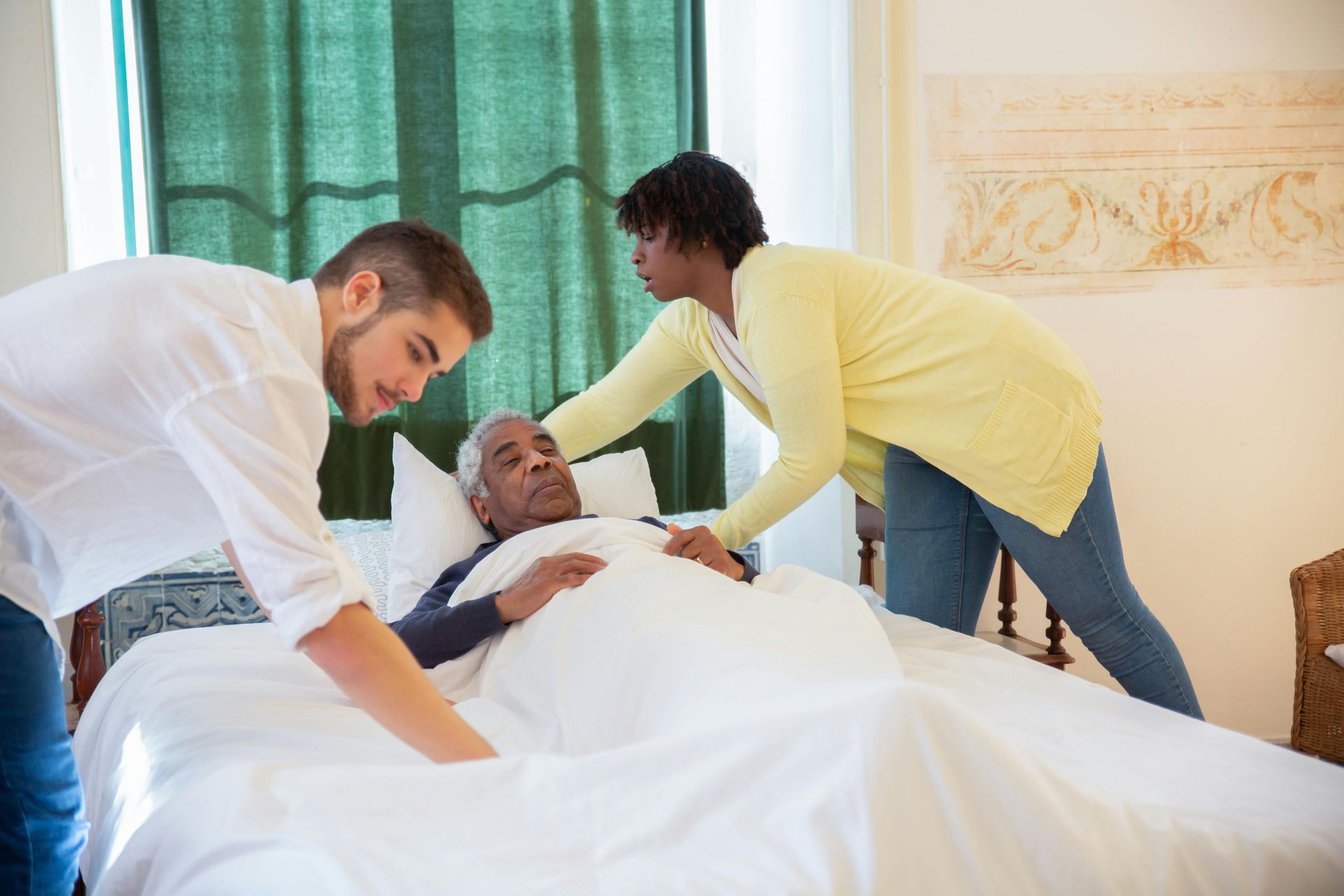
Staff support helps seniors:
- Practice exercises safely
- Stay motivated
- Celebrate small milestones
Consistency builds confidence.
Creating a Supportive Environment
Recovery-friendly communities offer:
- Handrails and accessible layouts
- Fall prevention measures
- Calm, structured routines
The environment plays a huge role in healing.
From Rehab to Routine: Why Transition Planning Matters
One of the most critical phases of recovery is transition.
The Vulnerable Period After Hospital Discharge
Without proper support, seniors are at higher risk for:
- Re-hospitalization
- Medication errors
- Falls
- Declining mobility
Structured recovery support for seniors reduces these risks.
Building a Gradual Path Back to Independence
Successful transitions focus on:
- Clear care plans
- Regular check-ins
- Gradual increase in activity
- Ongoing therapy adjustments
Recovery becomes steady instead of rushed.
Physical Recovery: Strength, Balance, and Mobility
Mobility is foundational to independence.
Rebuilding Strength Safely
Senior rehab services emphasise:
- Low-impact strength training
- Resistance exercises
- Functional movement practice
Even small gains improve daily living.
Balance and Fall Prevention
Falls are one of the biggest threats to senior independence.
Assisted living physical therapy addresses:
- Balance training
- Gait correction
- Core stability
Prevention is always better than reaction.
Occupational Therapy: Supporting Everyday Tasks
Recovery also means regaining confidence in daily activities.
What Occupational Therapy Focuses On:
- Dressing independently
- Bathing safely
- Preparing simple meals
- Managing personal items
These skills restore dignity and autonomy.
Adaptive Tools and Techniques
Therapists may recommend:
- Grabbers or reachers
- Modified utensils
- Shower chairs
Small tools create big independence.
Emotional and Mental Well-Being During Recovery
Healing is holistic.
Combating Isolation During Recovery
Social engagement supports:
- Motivation
- Mood stability
- Cognitive health
Communities like Belmont Oaks provide built-in social connections.
Encouragement From Care Teams
When seniors feel:
- Supported
- Heard
- Encouraged
They’re more likely to stay engaged in their recovery plan.
Nutrition’s Role in Senior Recovery
Fueling the body properly accelerates healing.
Why Nutrition Matters
Proper nutrition supports:
- Muscle repair
- Immune strength
- Energy levels
- Bone health
Recovery support for seniors often includes balanced meal planning.
Hydration and Healing
Staying hydrated improves:
- Circulation
- Joint health
- Medication effectiveness
Nutrition is a critical but often overlooked recovery tool.
Family Involvement in Recovery
Families play an important role in successful transitions.
Open Communication Builds Trust
Clear updates help families:
- Understand progress
- Support therapy goals
- Reduce anxiety
Transparent communication strengthens partnerships.
Encouraging Independence, Not Overprotection
Families can help by:
- Celebrating progress
- Allowing safe independence
- Trusting care professionals
Support should empower, not restrict.
The Long-Term Benefits of Structured Recovery
When recovery is handled thoughtfully, benefits extend far beyond the immediate injury.
Reduced Risk of Future Falls
Consistent strength and balance training lowers future fall risk.
Increased Confidence
Confidence often determines whether seniors:
- Stay active
- Socialize
- Explore new activities
Physical gains lead to emotional empowerment.
How Belmont Oaks Supports Recovery and Independence
Belmont Oaks understands that recovery is a journey.
Personalised Care Plans
Each resident’s needs are unique. Care plans consider:
- Medical history
- Physical limitations
- Personal goals
Individualised support leads to better results.
Collaborative Care Teams
When assisted living physical therapy, caregivers, and families work together:
- Communication improves
- Adjustments happen quickly
- Seniors feel secure
Teamwork is essential.
Practical Tips for Supporting a Senior in Recovery
If you’re supporting a loved one, consider these steps:
- Encourage gentle daily movement
- Celebrate small wins
- Ensure clear communication with care providers
- Prioritise fall prevention
- Focus on consistency over speed
Recovery takes time, but steady progress matters.
Maintaining Independence After Rehab
The goal isn’t just recovery, it’s sustained independence.
Routine Builds Stability
Structured daily routines:
- Reduce confusion
- Improve confidence
- Support physical maintenance
Routine turns rehab progress into lasting habits.
Ongoing Therapy as Maintenance
Even after initial rehab ends, continued movement and therapy sessions:
- Maintain strength
- Prevent regression
- Support long-term mobility
Recovery becomes a lifestyle, not a temporary phase.
Why Compassion Matters as Much as Care
Technology and therapy are important, but compassion drives results.
Emotional Safety Encourages Participation
When seniors feel respected and understood:
- They engage more fully
- They communicate concerns
- They trust the process
Compassion accelerates healing.
Supporting Strength, Dignity, and Independence
From hospital discharge to daily routine, the path to independence requires thoughtful, consistent support. Senior rehab services, assisted living physical therapy, and comprehensive recovery support for seniors work together to create safer transitions and stronger outcomes.
At Belmont Oaks, recovery isn’t just about regaining strength; it’s about restoring confidence, preserving dignity, and helping seniors return to meaningful routines with peace of mind.
Because true healing doesn’t stop at rehab, it continues in community, in routine, and in compassionate care.