Ways to Senior-Proof Your Home
5 Ways to Senior-Proof Your Home
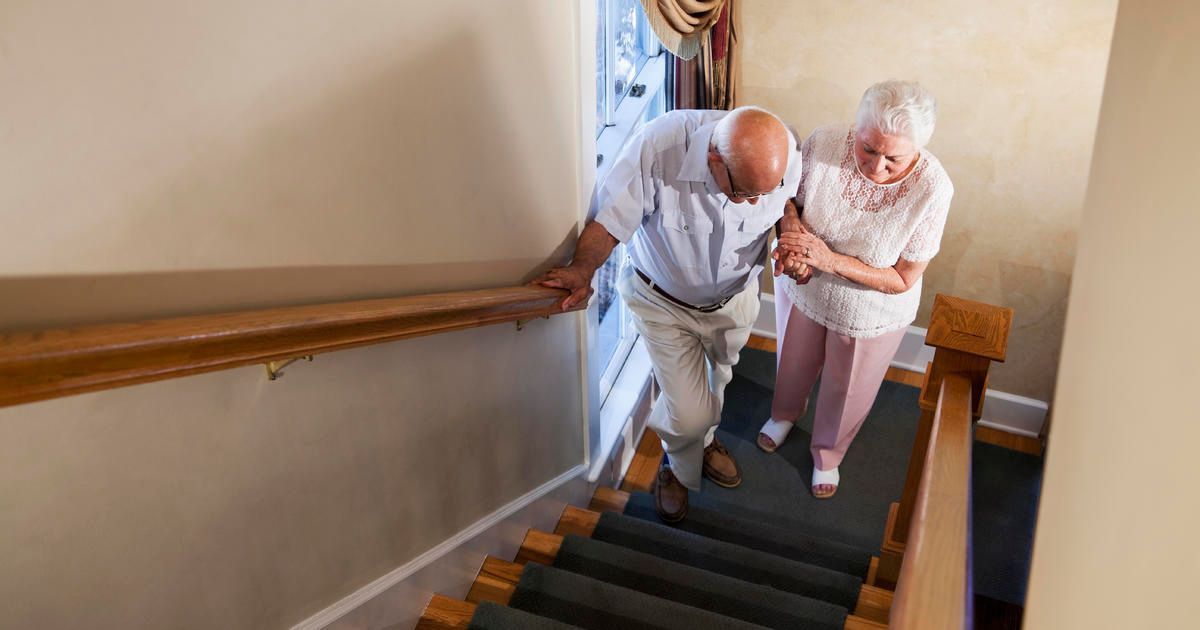
The majority of us hope to maintain our independence and remain in the comfort of our own homes for as long as possible. Whether seniors live alone or with their families, there are a number of home renovations that can help reduce the risk of common problems seniors face as they age.
Hiring a Contractor for Your Renovations
The right contractor can help you with your home renovation needs. Consider using a service like Networx to find one in your local area.
Read through Networx reviews to find great leads for anyone who’s interested in connecting with a good contractor.
- Add a Wheelchair Ramp
Even if you’re not wheel-bound, there’s no wrong time to consider adding a wheelchair ramp to your home. It costs approximately $1,000 to $3,000 to add a wheelchair ramp, so it’s never too early to plan ahead.
Also, keep in mind that a wheelchair ramp isn’t just for wheelchairs. It’s for anyone who has a difficult time climbing the stairs, which is something that happens to most of us as we age. You might find yourself in a wheelchair or walker later down the road, so it’s ideal to add a ramp whenever you can.
- Update the Bathroom
Falls are common among the elderly. One place where these accidents may happen is the bathroom. Sitting down and standing up at the toilet isn’t easy on an aging body. The slippery shower can also create a fall risk.
Fortunately, there are bathroom changes you can make to help reduce the fall risk. The Centers for Disease Control and Prevention (CDC) recommends installing grab bars both in and outside of your shower, as well as alongside the toilet. Installing a taller toilet that’s easier for seniors to sit on is also an ideal option.
Another factor to consider is flooring. Although tile can be beautiful, it can also pose a major fall risk if it’s not slip-resistant. Upgrading to slip-resistant tiles in the bathroom (and anywhere else in the house) can help reduce the risk of falls.
All of these changes may cost a few hundred dollars and can help create a safer bathroom for seniors.
- Switch to Wider Door Frames
If you have narrow doorways in your home, it might be necessary to widen them to better accommodate a wheelchair or other mobility device. AARP recommends using doors that are 32” wide at a minimum but opting for doors that are 36” wide, if possible.
Widening the doorways will require a contractor to replace the current doorframe, install new insulation and drywall, and paint the walls. It will generally cost about $500 per door but could be more or less depending on where you live.
- Change Your Door Handles
Since seniors have a difficult time twisting, pinching or squeezing things as they age, so it’s ideal to consider replacing your door handles. Consider opting for lever-style instead of doorknobs.
- Add an Elevator or Stair Lift
If your home has at least two stories, it might be ideal to consider adding an elevator so you don’t have to worry about the stairs. This expense can be a costly one. Chair lifts can cost around $4,000 while elevator installation can cost about $20,000.
Paying for Home Renovations
Unfortunately, medical insurance doesn’t cover the cost of home renovations for seniors. You will need to pay for the cost of renovations out-of-pocket. In some cases, taking a reverse mortgage or home equity loan may be a good way to cover this expense.
Home renovations can be undeniably costly. But it can be a much cheaper option than other senior care alternatives, such as nursing homes or assisted living facilities.
These are just a few ways to senior-proof your home. Making a few changes to your home’s design can help you maintain your independence outside of a long-term care facility for as long as possible.